

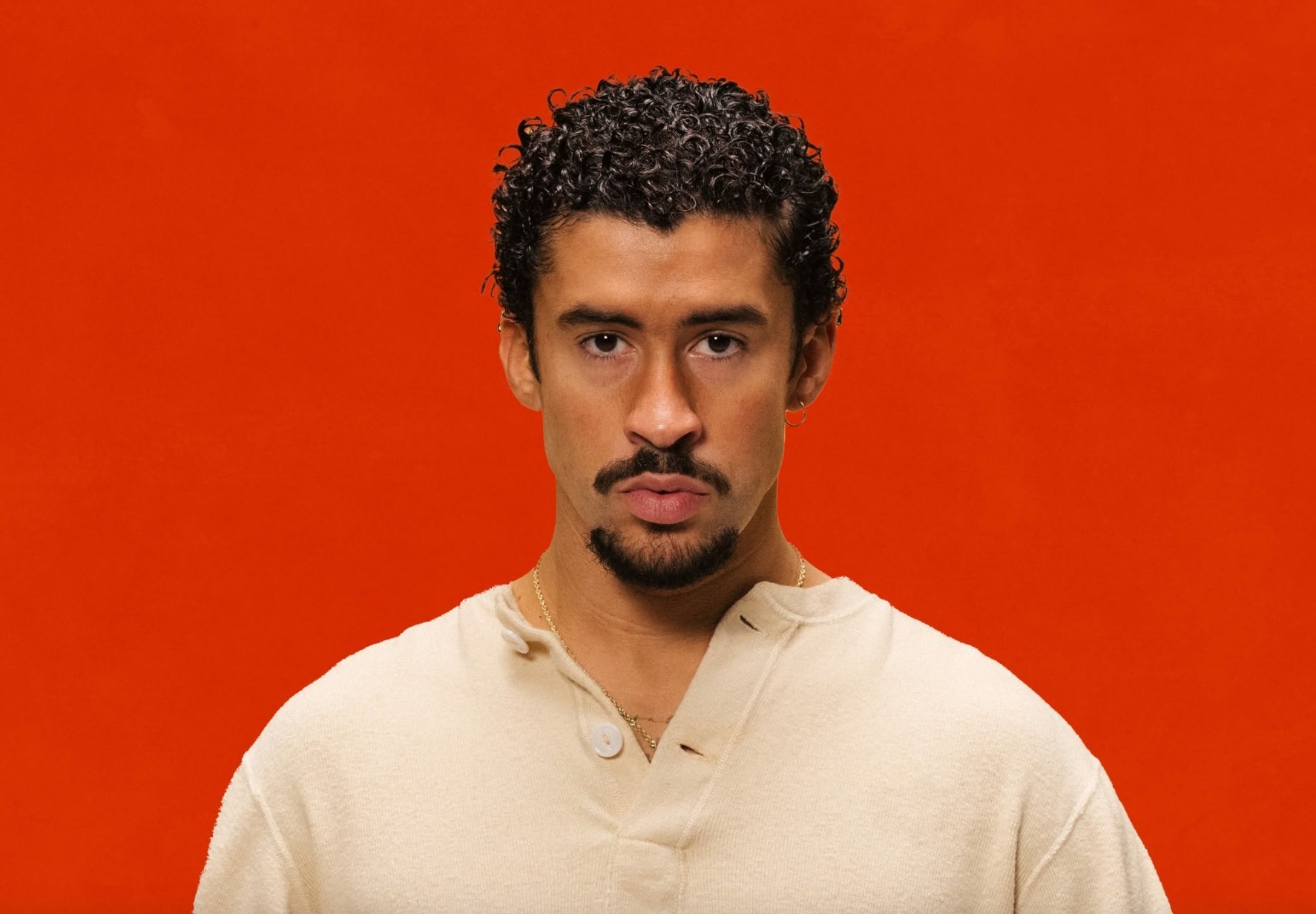
Bad Bunny returned to Puerto Rico to close his world tour, “Debí tirar más fotos,” with a farewell that was far more than a concert: it was a statement of identity, pride, and belonging. San Juan’s Estadio Hiram Bithorn became a stage for collective memory, where urban music, salsa, plena, bolero, and Puerto Rican symbols came together within the same emotional narrative.
The night opened with local power: Chuwi, the Puerto Rican band that accompanied the artist throughout much of the tour, set the tone with a direct connection to the island’s cultural roots. Then, surrounded by visuals, speeches, and the energy of a homecoming, Benito appeared before his audience as a reminder that, although he had traveled across cities and continents, no stage could compare to singing in front of his people.
The setlist brought together recent anthems and classics from his catalog, moving from mass perreo to intimate nostalgia. Songs such as “La mudanza,” “Callaíta,” “Pitorro de coco,” “Weltita,” “Turista,” “Baile inolvidable,” “Tití Me Preguntó,” “Yo perreo sola,” “Safaera,” “DÁKITI,” “DtMF,” and “EoO” formed part of a night designed as a musical journey through the artist’s different eras.
The “Casita” as a Symbol of Identity
One of the most talked-about elements was the presence of the iconic “casita,” a scenic device that had already become a symbol of the residency and of this artistic chapter. More than a visual structure, it worked as a metaphor for home: a Puerto Rican house elevated onto a global stage, where popular culture was presented with elegance, pride, and authenticity.
The show’s aesthetic spoke directly to the island’s memory: the pava hat, the flag, traditional sounds, the Puerto Rican cuatro, and references to the barrio, the beach, nostalgia, and resistance. In that combination lay the power of the closing night: Bad Bunny did not present Puerto Rican culture as decoration, but as the protagonist.
Guests, Surprises, and Memorable Moments
The closing night also featured special appearances and unexpected moments. Among the highlighted guests were figures such as Víctor Manuelle and RaiNao, while the setlist included songs reserved for this final Puerto Rican stretch. The blend of generations, genres, and symbols turned the concert into a wide-ranging celebration of contemporary Latin music.
The night was not limited to entertainment. There was also space for social messages and references to the concerns affecting Puerto Rico, from water and electricity outages to the debate over luxury tourism projects. In that sense, the concert functioned both as a spectacle and as a cultural platform: a celebration with conscience, a farewell with a point of view.
Curious Facts
- The closing concert was part of the world tour “Debí tirar más fotos,” a chapter marked by a strong narrative of Puerto Rican identity.
- The final show took place at San Juan’s Estadio Hiram Bithorn, an emblematic venue for large-scale events in Puerto Rico.
- The tour traveled through multiple cities and continents, but the artist chose to close in his native island as a symbolic return to origin.
- The “casita” became one of the project’s most recognizable visual elements, representing home, memory, and community.
- The concert incorporated traditional sounds such as plena, salsa, bolero, and the Puerto Rican cuatro within a global urban proposal.
What happened at Bad Bunny’s final concert was not simply the end of a tour; it was the consolidation of an artist who understood how to turn his platform into a cultural archive. His proposal no longer rests solely on commercial success or the euphoria of global reggaeton, but on the ability to transform a massive spectacle into a conversation about belonging, memory, and the future.
In an industry where many artists seek to conquer the world by moving away from their roots, Bad Bunny did the opposite: he brought the world back to Puerto Rico. And in that decision lies the true cultural luxury of the night: an authentic, powerful, and deeply local celebration that managed to feel universal.